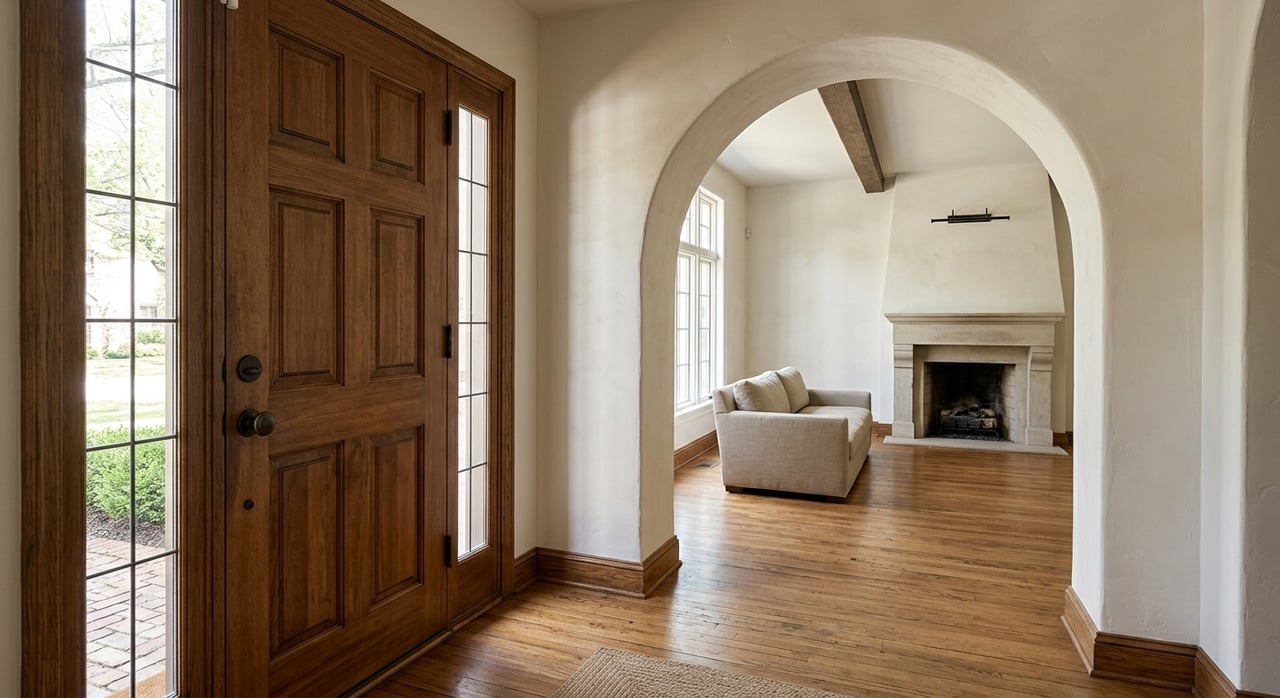
Wondering how to sell an older home without losing the very charm that makes it special? In Alamo Heights, that balance matters more than many sellers realize. Buyers here often look at character, condition, and lot quality as one complete package, so your strategy needs to do more than just put a sign in the yard. This guide will help you price, prepare, and present a character home in a way that protects value and builds buyer confidence. Let’s dive in.
Why Alamo Heights homes sell differently
Alamo Heights is not a one-size-fits-all market. The city traces its development back to the 1890s, with large lots, preserved trees, and varied architectural styles shaping the area over time. That history still shows up in what buyers notice today.
When someone tours a character home here, they are often judging more than square footage or bedroom count. They are looking at originality, upkeep, lot presentation, and whether the home feels thoughtfully preserved. In other words, the selling story is usually more nuanced than it would be in a newer subdivision.
Current market data supports that careful approach. Alamo Heights has a median sale price of $699,082, a median market time of 38 days, and a 97.3% sale-to-list ratio. About 6.5% of homes sell above list price, while 31.9% of listings take price cuts.
That mix tells an important story. Distinctive homes can absolutely attract strong interest, but buyers are still price-aware, and overpricing often gets corrected by the market.
Price character with discipline
The biggest pricing mistake sellers make with a character home is attaching too much value to emotional appeal. Original trim, wood floors, built-ins, and older masonry can be meaningful selling points, but they do not automatically justify any number you want. Buyers still compare your home to recent sales.
A smart pricing strategy should lean on comparable sales with similar age, lot size, architectural quality, and condition. That means comparing your property to homes that truly compete with it, not simply the highest recent sale in the area. In Alamo Heights, nuance matters.
This is especially important in a market where nearly a third of listings take price cuts. If you start too high, you risk losing the momentum that often helps distinctive homes stand out during launch week. A stale listing can make buyers wonder what they are missing.
Why taxes affect buyer math
Affordability is not just about the purchase price. Local property taxes are part of how buyers calculate what they can comfortably pay, and that can shape how much room your home has for premium pricing.
According to the latest Bexar County official tax-rate sheet, the City of Alamo Heights rate is $0.370147 per $100 of assessed value, Alamo Heights ISD is $0.9572 per $100, and Bexar County is $0.276331 per $100. For many buyers, those numbers become part of the decision-making process right alongside insurance, maintenance, and any future updates.
That does not mean your home cannot command a strong price. It means your pricing strategy should reflect real buyer affordability, not just seller expectations.
Prepare the home without stripping its soul
You do not need to renovate everything before selling. In many cases, the better path is to fix safety concerns and obvious maintenance issues while keeping original features that feel authentic and well cared for.
For a character home, the goal is to make charm read as intentional, not unfinished. Buyers respond better when original details feel preserved by choice rather than left behind from neglect. Clean presentation, consistent upkeep, and clear records can make a major difference.
A practical pre-listing checklist may include:
- Repairing visible maintenance issues
- Servicing major systems where needed
- Organizing receipts and contractor invoices
- Gathering roof, HVAC, or foundation history
- Preparing a complete disclosure file
- Reviewing any older paint or window work carefully
This kind of preparation reduces uncertainty. In older homes, reducing uncertainty is often just as valuable as making cosmetic improvements.
Know the permit and review timeline
If you are thinking about major exterior work before listing, timing matters. Alamo Heights approved Residential Design Standard amendments in 2021, and the city states that the Architectural Review Board reviews residential projects subject to Demolition Review.
The city says Demolition Review typically takes about 30 days. It applies when more than 25% of framed exterior walls facing public streets or more than 50% of all exterior walls and roofs are removed or encapsulated.
For sellers, that has two practical implications. First, major pre-list exterior projects should be planned well in advance. Second, buyers considering future changes may also weigh these review requirements into how they value the property.
Handle disclosures carefully
Character homes often come with more questions, which makes disclosure even more important. In Texas, the Seller’s Disclosure Notice from TREC is required for sellers of previously occupied single-family residences and covers material facts and the property’s physical condition.
If the home was built before 1978, lead-related rules may also apply. TREC provides a lead-based-paint addendum for these properties, and EPA rules require sellers to disclose known lead hazards before the buyer becomes obligated under contract and allow time for a lead inspection.
This is one area where organized paperwork can reduce stress for everyone involved. A clean disclosure package, documented repairs, and attention to older painted surfaces can help keep the transaction moving with fewer surprises.
Market the story, not just the specs
A character home needs marketing that shows both beauty and credibility. Buyers should be able to see what makes the home distinctive, but they should also understand how it has been maintained over time.
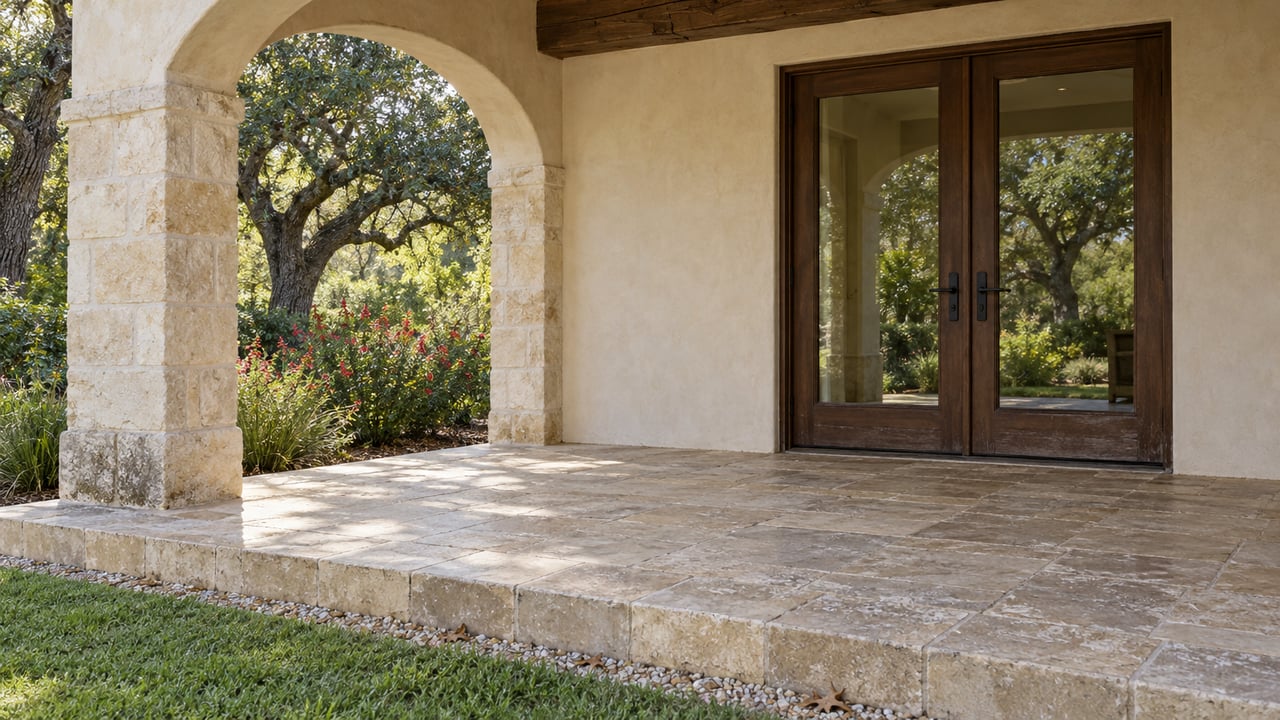
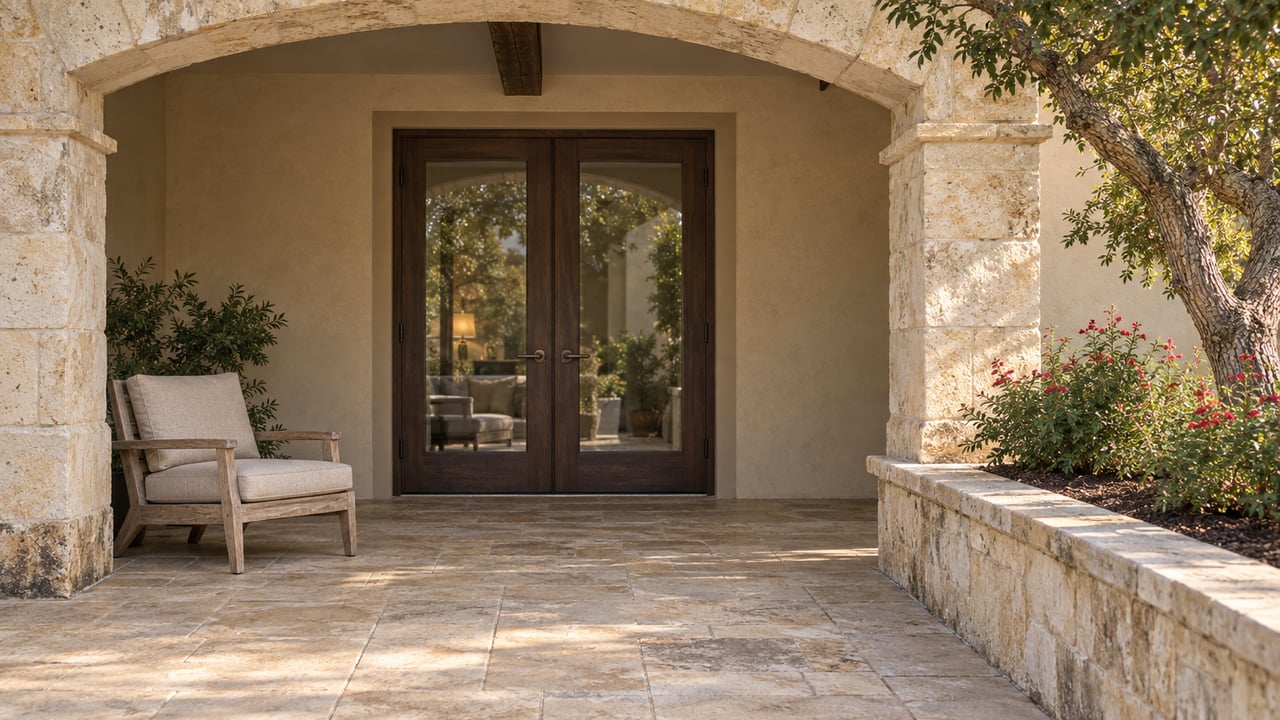
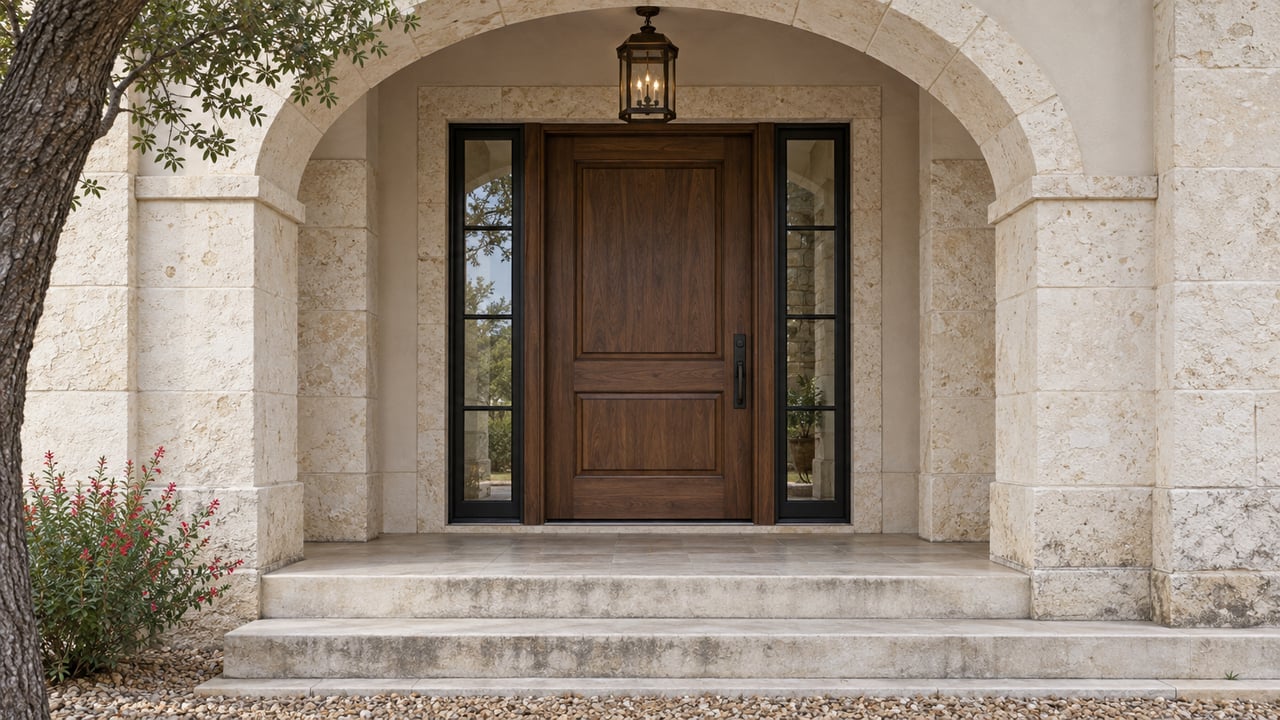
Useful marketing assets often include close-up photography of original trim, masonry, wood floors, built-ins, and porch details. A simple timeline of improvements can also help buyers separate preserved original features from later system updates.
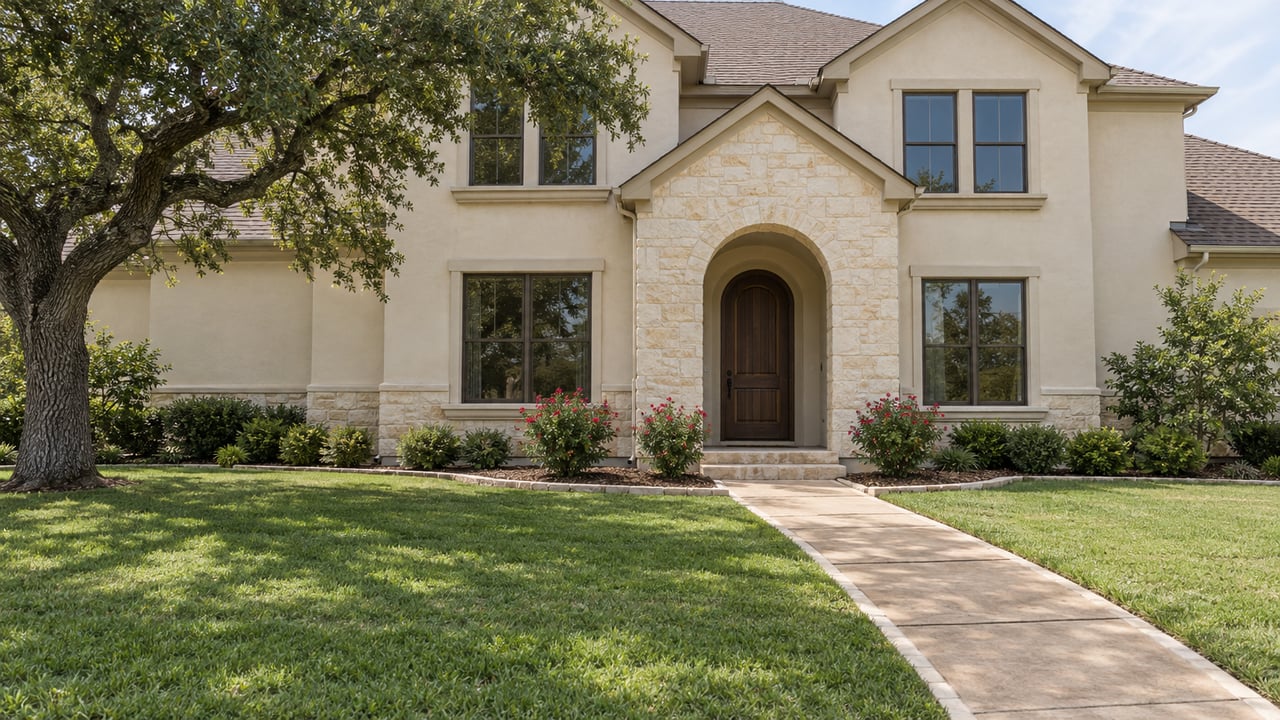
In Alamo Heights, the lot matters too. The city’s history points to large lots, preserved trees, and development that followed the land’s natural contours, so yard condition and exterior presentation are part of the value story, not background details.
That means your launch should highlight features such as:
- Mature trees and landscape presentation
- Porch details and exterior materials
- Preserved original finishes
- Functional layout and flow
- Major system updates
- Documentation that supports condition
When these elements are presented clearly, buyers can better understand what is original, what has been updated, and what kind of stewardship the home has had.
Showing strategy matters in week one
The first days on market often set the tone. In a market where some homes get multiple offers but the average sale still comes in about 3% below list, early buyer response matters.
That is why pricing, presentation, and documentation should be lined up before the home goes live. If your launch week creates strong interest, buyers are more likely to see the home as a compelling opportunity rather than a listing that may need negotiating room built in.
For a character property, strong early presentation can also shape perception. When the home feels polished, documented, and intentionally marketed, buyers are more likely to appreciate the charm and less likely to focus only on age.
Documents can protect your value
One of the best ways to support your asking price is to give buyers confidence. For older homes, confidence often comes from records.
The most helpful materials are usually practical, not decorative. Permits, receipts, contractor invoices, inspection reports, roof history, HVAC service records, and any engineer or foundation documents can all help buyers separate authentic character from deferred maintenance concerns.
If you have completed repairs over time, show that history clearly. A well-documented home often feels easier to underwrite emotionally and financially, which can support stronger offers.
What sellers should remember most
Selling a character home in Alamo Heights is not about making it look brand new. It is about presenting it as well-cared-for, honestly represented, and properly priced for what it is.
The strongest selling position usually comes down to three things: preserved character, transparent condition, and clear documentation. When those pieces come together, buyers can connect with the home’s story while still feeling confident in the transaction.
If you are preparing to sell in Alamo Heights and want a plan built around strategy, presentation, and discretion, Trinie Johnson can help you move forward with confidence.
FAQs
How should you price a character home in Alamo Heights?
- Use recent comparable sales with similar age, lot size, architectural quality, and condition instead of pricing based on emotional value or past renovation cost.
Do you need to fully renovate an older Alamo Heights home before selling?
- Usually no. It is often more effective to address safety issues and obvious maintenance items while preserving original features that add authentic character.
What should sellers know about demolition review in Alamo Heights?
- The city says Demolition Review typically takes about 30 days and can apply when major portions of exterior walls or roofs are removed or encapsulated, so large exterior projects should be planned early.
What disclosures apply when selling an older home in Texas?
- Sellers of previously occupied single-family homes generally need the TREC Seller’s Disclosure Notice, and homes built before 1978 may also require lead-based paint disclosures and related buyer notices.
Why do property taxes matter when selling a home in Alamo Heights?
- Buyers often factor local city, school district, and county tax rates into affordability, which can influence how much flexibility there is for premium pricing.